
Galanakis Laboratories is a family-owned company based in the Prefecture of Chania. It was founded in 1925 by Ioannis M. Galanakis, Chemist–Oenologist (NKUA), and is now directed by third-generation chemists. With deep roots in Crete’s agri-food tradition, we continue to evolve through science, experience, and responsibility.
GALANAKIS LABORATORIES celebrate 100+ years of continuous operation, making it the oldest and most historic analytical laboratory in Greece. Our journey began in an era when grapes were crushed by foot and olive oil was produced with stone mills. From those early steps, we helped spearhead Crete’s agri-industrial development, contributed to shaping the island’s tourism product, and laid foundations that continue to support the region’s food and environmental ecosystem.
Our organization is now far more than a laboratory. In an era defined by artificial intelligence, geopolitical shifts, and the impacts of climate change on biodiversity, ecosystems and food systems, we have evolved into a multidisciplinary hub that connects analysis, research, application, and modern governance.
We provide advanced research, analytical services, consulting support, and the development of governance and decision-making tools across the entire food and environmental spectrum. Combining scientific expertise, technological applications, and modern quality standards, we support businesses and institutions in managing the complexity of agri-food and environmental systems, promoting sustainable practices and evidence-based decision-making.
We perform reliable chemical, microbiological, and molecular analyses in accordance with European standards and certified methods, ensuring results that are documented, accurate, and immediately actionable. Our services include analyses of must, wine, beverages, olive oil, olive pomace, table olives, dairy products, water, wastewater, environmental samples, urinary stones, fuels, lubricants, foods, honey, and soils, as well as pesticide and heavy metal determinations and specialized quality and safety parameters.
Our research focuses on food systems and the environment, using applied methodologies that enhance biodiversity, food integrity, and the circular bioeconomy. We work on functional agroecosystems, food technology and authenticity, waste recovery, clean-label innovation, food security and nutrition, as well as environmental sustainability and policy.
We move beyond raw results to extract meaning from complex datasets. By integrating chemical, microbiological, and molecular outputs, we support robust interpretation, indicator development, and evidence-based conclusions. Our focus lies on uncertainty, context, and scientific relevance, ensuring that analytical data effectively informs research hypotheses and project outcomes.
We support businesses and public bodies through comprehensive technical and scientific consulting on quality, regulatory compliance, environmental management, and techno-economic assessments, offering targeted guidance for problem-solving and effective application development. We deliver studies on trends and emerging markets, training and skills development, evidence-based case studies, and policy and legislative support aligned with European priorities and sustainability.
We provide analytical and experimental evidence that supports informed decision-making in research, innovation, and sustainability contexts. Our work contributes to evaluating alternatives, prioritizing strategies, and assessing trade-offs. By grounding decisions in scientifically robust data, we help reduce uncertainty and enhance the reliability of research-based actions.
Our collaborations with businesses, producers, research centers, and institutional bodies evolve over time, creating value through trust, technical support, and joint actions that promote quality, safety, and environmental responsibility. We also support multi-partner consortia and develop decision-making tools using indicators, foresight analysis, and evidence-based assessments for governance, and community empowerment.
We conduct hypothesis-driven research that transforms analytical measurements into validated scientific knowledge. Our work is rooted in experimental rigor, critical interpretation, and reproducibility. By integrating chemical, microbiological, and molecular analyses, we contribute to advancing scientific understanding beyond descriptive results, supporting both fundamental research and applied innovation.
We contribute to the early framing of research questions by aligning scientific ambition with analytical feasibility. By engaging at the conceptual stage of projects, we help shape research designs that are experimentally sound and analytically robust. This approach reduces uncertainty, optimizes resources, and strengthens the scientific coherence of research proposals.
We bring science into practice through education, seminars, guides, publications, and active participation in research networks, serving as a knowledge hub that bridges research and production while strengthening transparency and documentation. Our dissemination activities include the Knowledge Hub, books and open-access scientific articles, EU policy studies and guidelines, and initiatives for food waste recovery.
We participate in open innovation networks that connect research, technology providers, entrepreneurs and end-users. By sharing knowledge, methodologies and practical tools, we help bridge the gap between laboratory research and real-world application, supporting the development, validation and adoption of solutions for food safety, sustainability and circular food systems.
We support innovators in moving from scientific concept to practical application. Our mentoring covers value proposition design, market readiness, technology adoption, regulatory expectations, stakeholder engagement and scale-up planning. This helps research teams and startups strengthen the credibility, usability and long-term sustainability of their food safety and circular food-system solutions.
We deliver flexible digital learning through the Food Waste Recovery e-Course and WASTE-SEC tool, hosted by ISEKI-Food Association, while integrating feedback, self-assessment and follow-up reflection. This approach evaluates learning outcomes, identifies adoption barriers and adapts content to stakeholder needs, supporting practical uptake, behavioural change and implementation readiness in circular food systems.
We build global partnerships and African capacity by collaborating with universities, research centres, innovation actors and professional networks across Europe, Africa and beyond. Through training, mentoring, feedback tools, case studies and practical exercises, we connect scientific expertise with local needs, supporting knowledge exchange, contextual validation and implementation-oriented food-system innovation.
We operate across analytical scales, from molecular and microbiological measurements to integrated system-level assessments. This multiscale perspective allows us to capture interactions and processes that cannot be understood in isolation. By linking fine-scale data to broader indicators, we support comprehensive and interdisciplinary research approaches.
We work with individuals, producers, food and beverage companies, hotels, water and environmental units, olive mills, food industries, quality organizations, municipalities, industries, research institutions, and research funding bodies. We support both small producers and large enterprises with services tailored to their needs, grounded in scientific rigor and consistency.
Our 100-year history, the balance of experience and innovation, strong scientific expertise, and unwavering commitment to quality are what set us apart. By bringing together knowledge, technology, and responsible management, we develop solutions that support wellbeing, protect nature, and drive innovation, with priorities in farm-to-fork systems, the circular bioeconomy, biodiversity, zero pollution, and effective governance.
Our scientific team consists of Chemists and Chemical Engineers with postgraduate and doctoral degrees in food and environmental sciences. With extensive experience in testing, analytical methods, and quality control, we invest systematically in continuous training, integrating the latest research findings and artificial intelligence tools. This ensures that our processes remain up to date, technologically advanced, and fully aligned with European standards.

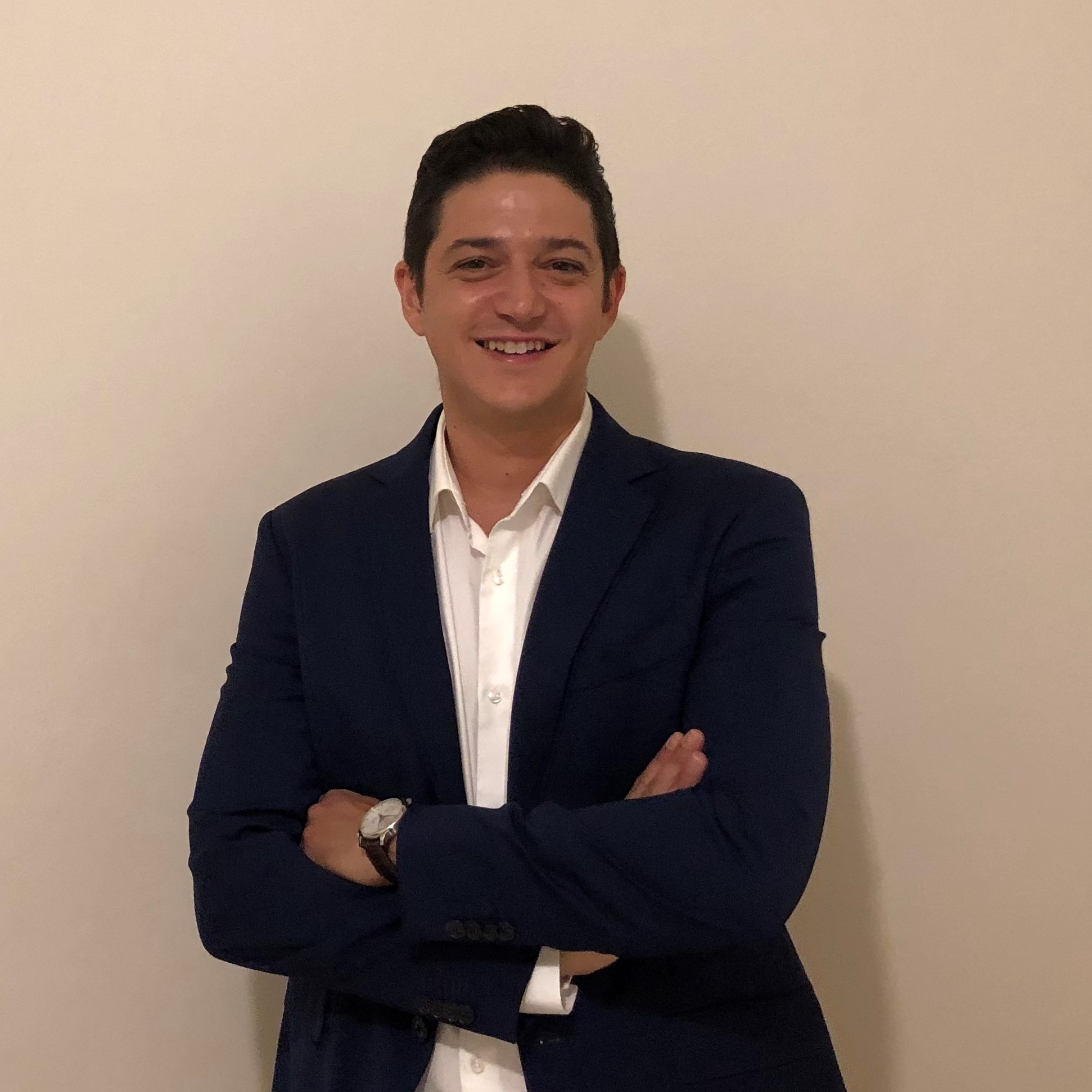
Charis M. Galanakis
Graduated from the Dept. of Chemistry, Univ. of Patras in 2002, prior specializing in Oenology (2004) and Food Biotechnology (MSc, Univ. of Patras, Univ. of Ioannina, Univ. of Ulster, UK, 2004). In 2010, he received a Ph.D. Degree in Quality Control and Environmental Management from the Tech. Univ. of Crete. He has long experience in analyses and laboratory tests, while he has recognized scientific work in the fields of food and environment. He is an Honorary Professor at Taif University (Saudi Arabia) and University of Johannesburg (South Africa), while has been included in the list of the world’s most influential researchers (Highly Cited Researchers 2019, 2021, 2022, 2023, Clarivate) in the field of Agricultural Sciences.
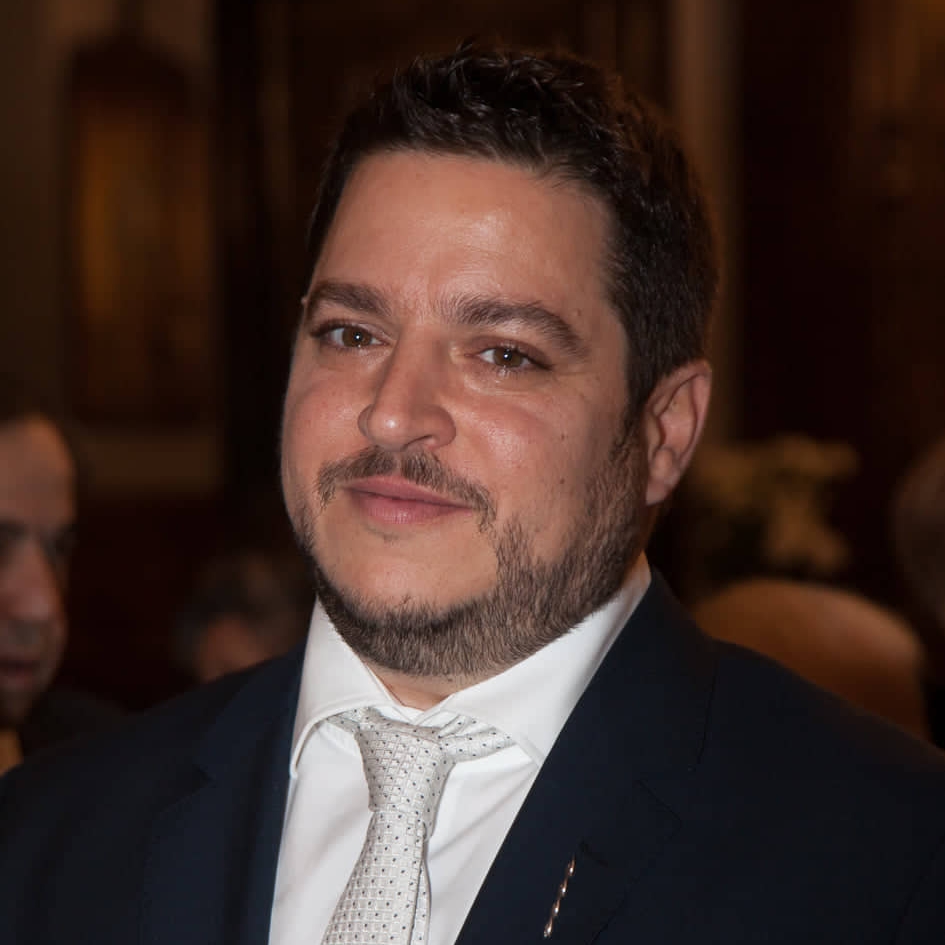
Ioannis M. Galanakis
Received his degree in 2002 from the School of Chemical Engineering of National Technical University of Athens (Greece), where he specialized in food industries and biotechnical applications, as well as non destructive analytical techniques. He has long experience in issues related to the research and development department of local food and wine industries, production methods, quality assurance, management and financing. He is also consulting numerous constructing companies on environmental protection, monitoring, occupational safety and project planning.
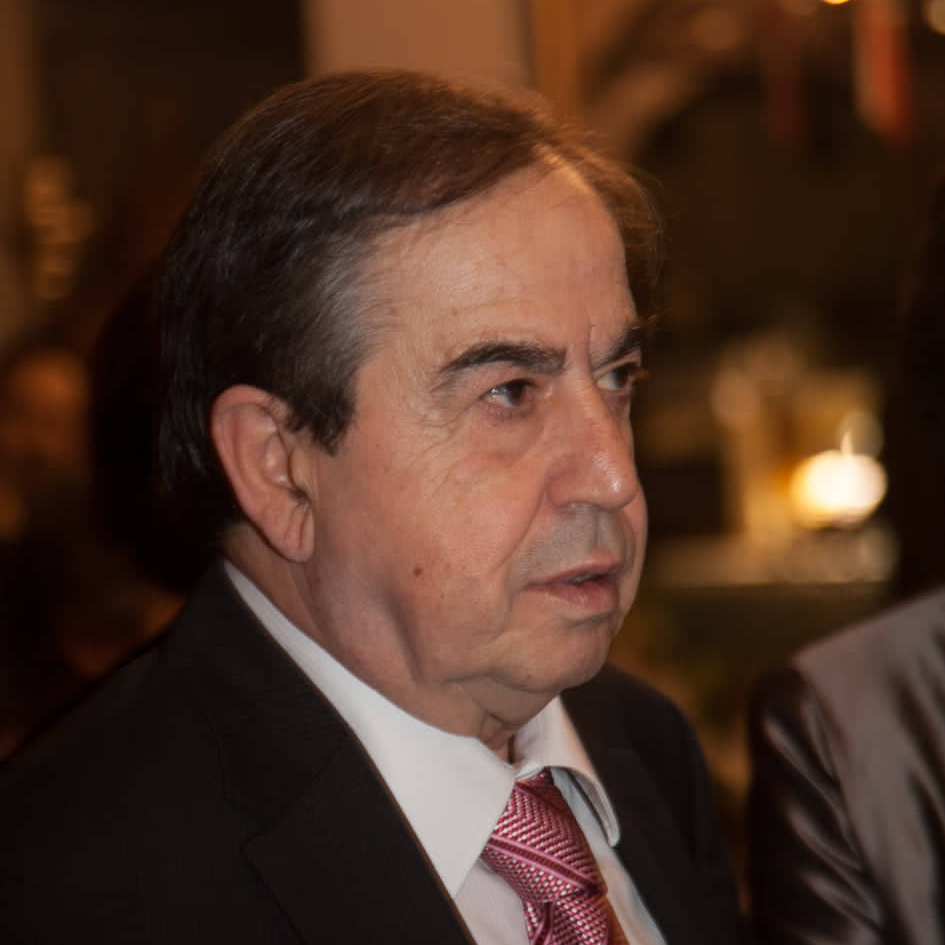
Michael I. Galanakis
Received his Chemistry degree from the School of Physics and Mathematics of the University of Athens in 1972. From 1972 to 2011, he was the Director of the Laboratories. During his career, he activated in the analysis and technology of wines, olive oils, waters, milk, honey, soil, food, waste, renal stones, etc., as well as conducting chemical, technical and environmental studies. He is one of the most experienced oenologists in Greece with more than 40 years of service. He retired in 2011 and today he advises the new generation of Chemists of Laboratories for all relevant issues.

Eirini Xagoraraki
She graduated in 2022 from the Dept. of Food Technology of the University of Thessaly and is continuing her studies at the University of the Aegean (Master of Research, Global Innovation and Sustainability in the Food Industry and Nutrition) where she specializes in the utilization of by-products as well as consumers studies. During her studies, she has gained knowledge in quality control, microbiological and physicochemical analyses. She has experience in customer support and guidance, as well as document management.
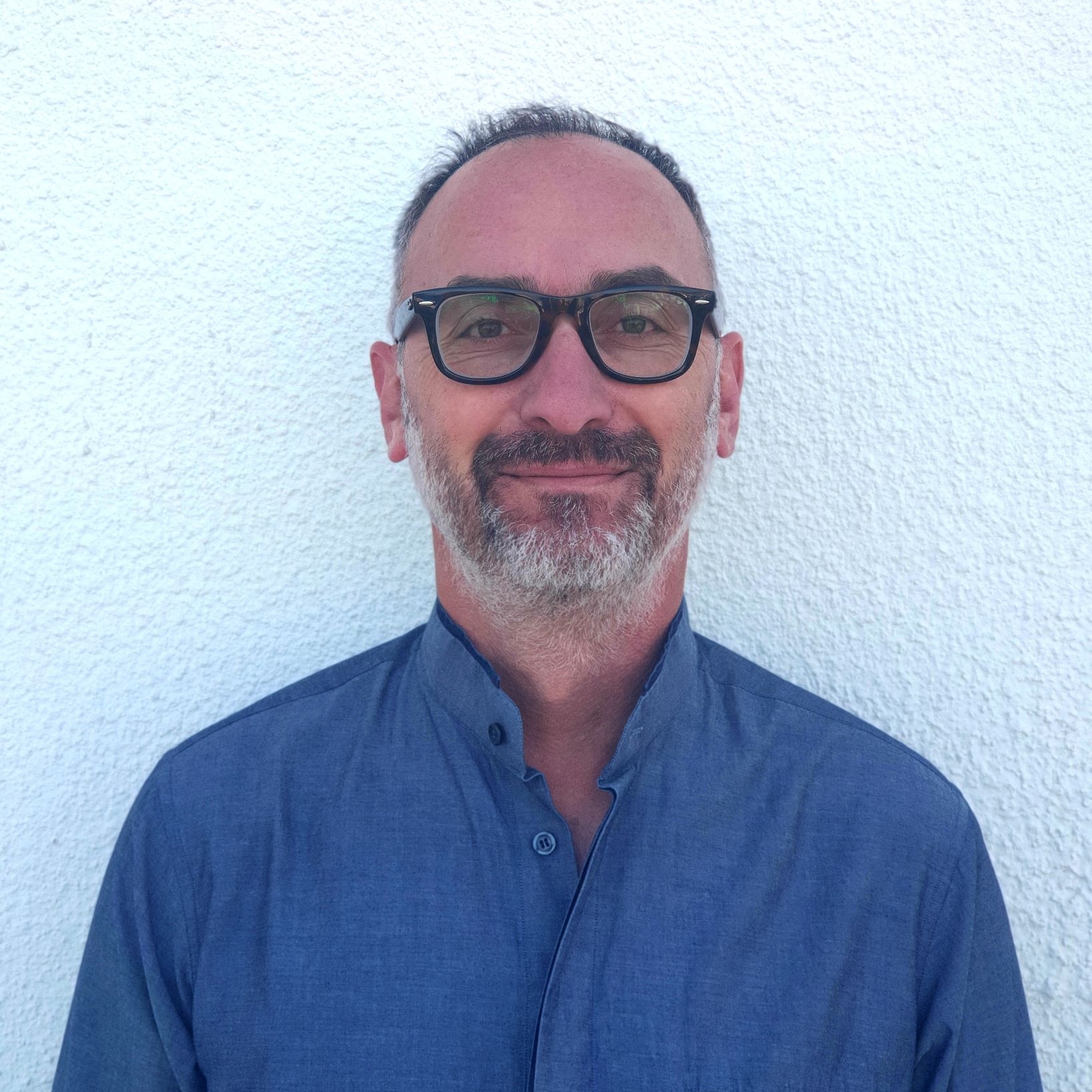
Markos Daskalakis
He graduated in 2001 from the Dept. of Chemistry, Univ. Crete and obtained an MSc in Food Biotechnology (University of Ulster, 2002). He completed his Ph.D. in the field of Synthesis and Development of Industrial Processes at the School of Chemical Engineering, NTUA. He worked in the USA as a Senior Scientist in polymeric materials for surface decontamination, and in Greece, as Quality Assurance Manager in the food industry and as a Senior Scientist at Technical University of Crete on projects related to chemical and Occupational Health and Safety management. He has extensive experience in environmental microbiology, optimizing industrial and laboratory practices in the food sector, and completing innovative research programs.